
Have you ever wondered if modern tools can keep your home safe from hidden mold? In this guide, we explain how the right equipment can fight mold every step of the way. We use moisture meters (tools that measure dampness) to find hidden wet spots and HEPA vacuums (high efficient air filters) to quickly clear out debris.
Mold remediation gear speeds up the cleanup and keeps harmful spores away from your living space. With the right tools, you can protect both your family and your property. Learn how these durable, effective devices make mold cleanup smart, safe, and efficient.
Comprehensive Guide to Mold Remediation Equipment

Mold remediation equipment is critical for keeping your home safe and clean. Modern tools come in different types that work together to fight mold at every stage. For example, moisture meters and infrared cameras help find hidden damp spots (areas that fuel mold growth). With smart technology for remote monitoring, these devices give you the accurate numbers you need to act quickly.
Containment tools like plastic sheeting and zip walls keep mold spores from spreading by blocking off affected areas. Extraction tools such as HEPA vacuums and flood extractors quickly remove contaminated water and debris from damaged spots. Chemical systems, including foggers and antimicrobial sprays, evenly spread mold-fighting solutions on surfaces to neutralize harmful spores. Meanwhile, drying equipment like dehumidifiers and air movers lowers moisture levels and helps dry out the area completely.
When buying this equipment, look for tools that are durable, efficient, and easy to move around. Each type of equipment supports a different part of the mold cleanup process. Using quality tools not only speeds up the work but also ensures your indoor space stays safe for years to come.
Essential PPE and Protective Equipment for Mold Remediation
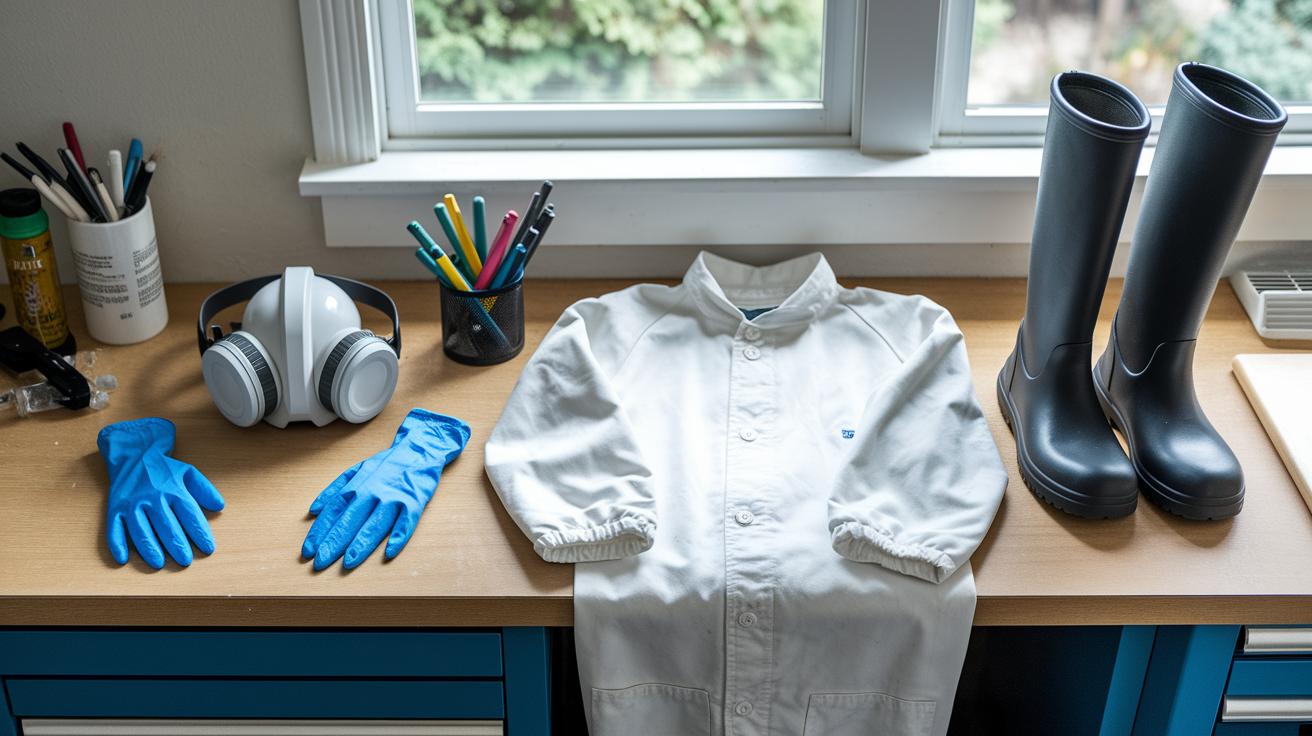
When you work on mold clean-up, it is important to wear the right gear to keep yourself safe. Start by putting on a well-fitted respirator (N95 or P100, which filter out mold spores and chemicals) so you do not breathe in harmful particles. Then, wear safety goggles to protect your eyes and disposable nitrile gloves that are made to resist chemicals. Always follow this order: respirator first, then goggles, and finally gloves. Wearing protective coveralls and boot covers also stops contaminated particles from reaching your skin or clothes.
Be sure to change your equipment often, especially when you move from one area to another, to prevent spreading the mold. Keep your gear in good shape by checking seals and replacing filters on time. For more safety tips, see the job safety analysis for restoration work at https://mindtangle.net?p=163.
- Chemical-resistant gloves
- Respirators and appropriate filters
- Eye protection
- Disposable coveralls
- Boot and shoe covers
Advanced Moisture Detection Tools for Mold Remediation Equipment

We rely on two main types of moisture meters for mold testing. Pin-type meters use small probes that go into surfaces to measure moisture accurately on hard, dense materials. On the other hand, pinless meters scan surfaces without any pricking, making them perfect for delicate materials and large areas. Both types give a clear idea of moisture levels, which is critical for mold cleanup work.
Infrared moisture detectors and thermal imaging cameras also play a big role. These tools spot hidden damp areas behind walls and ceilings without causing any damage. They show temperature differences that point out spots where mold may grow, helping us quickly identify problems.
Smart thermo-hygrometers keep track of temperature and humidity all day. They alert technicians when moisture goes above safe levels. When used with probe meters that check inside walls, they provide a full picture of hidden moisture in tight spaces.
Regular calibration of these tools is important to keep their readings accurate. Keeping a log of the data not only helps with effective mold cleanup but also serves as solid evidence for insurance claims. Using these advanced moisture detection tools is a smart way to ensure a thorough and careful mold remediation process.
Airflow, Dehumidification, and Drying Equipment in Mold Remediation

High-CFM air movers (fans that move a large volume of air) are crucial for drying out mold problems. These machines boost air circulation around wet spots so moisture evaporates faster. Cavity dryers help by blowing air into wall spaces that are hard to reach, ensuring even hidden areas dry properly.
Choosing the correct dehumidifier is very important. Refrigerant dehumidifiers work best in warm settings and can remove about 50 to 70 pints of water a day. They use energy efficiently. For cooler conditions or bigger jobs, desiccant dehumidifiers are more effective and typically pull about 30 to 50 pints per day. Whole-house units can remove more than 70 pints daily and are a good match for larger HVAC systems.
It is essential to place the equipment wisely. Position air movers across wet areas to spread the airflow evenly. Use smart thermo-hygrometers (devices that measure both temperature and moisture) to continuously watch the air. This helps the team lower moisture levels to a safe point before mold can return. Modern dehumidifiers also come with smart controls for remote monitoring and adjustments, which keeps the drying process running smoothly.
| Equipment Type | Capacity (pints/day) | Ideal Use Case |
|---|---|---|
| Refrigerant Dehumidifier | 50–70 | Warm environments (>60°F) |
| Desiccant Dehumidifier | 30–50 | Cooler settings or large areas |
| Whole-House Unit | 70–100+ | Integrated HVAC systems |
Extraction Machines and Vacuum Systems for Mold Cleanup

Extraction machines play a key role in cleaning up mold. They use HEPA-filtered vacuums that trap tiny mold spores (airborne particles) to help control contamination. We use machines with high airflow to move large volumes of air quickly. Regular cleaning of filters and containers keeps these systems running well.
Portable flood extractors are very versatile. They come with attachments like wands and claws. You can choose truck-mounted extractors for big jobs or smaller standalone systems for tighter spaces. The best option depends on the job size and how much mobility you need. Longer hoses and special nozzles help reach tight corners where mold can hide.
Cleaning the equipment after every job is a must. We disinfect hoses, nozzles, and containers to stop contamination from spreading. Regular checks and proper cleaning routines keep the system ready and extend its life.
To pick the right extraction system, compare different types: specialized mold vacuums, portable systems, and heavy-duty industrial units. Look at how well they remove water and trap spores. Also, think about the noise they produce, their power use, and how easily they can be moved around. Paying attention to these details helps improve mold cleanup and keeps areas safe.
Choosing the right machine boosts efficiency and helps stop mold from coming back.
Chemical Application and Fogging Machinery for Mold Remediation Equipment
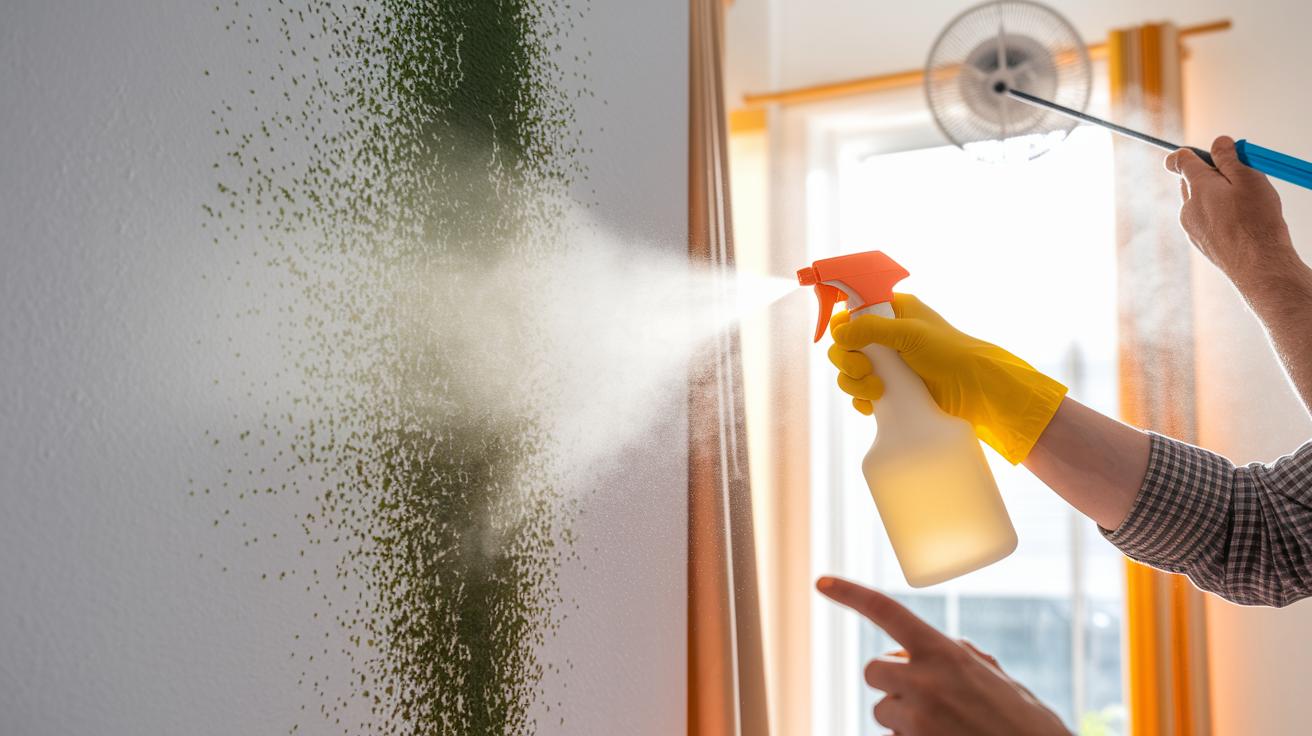
We use chemical application systems to clean up mold effectively. Chemicals like hydrogen peroxide (a common cleaning agent), borax (a natural cleaner), and quaternary ammonium compounds (disinfectants) help stop mold from growing back. When these chemicals are applied right, they form a barrier that stops mold spores from surviving. Always make sure you have good ventilation by opening windows and using fans to push fresh air through the area.
Fogging machinery distributes these chemicals in different ways. Cold foggers create larger droplets that spread over wide areas without too much overspray. Thermal foggers make smaller droplets that reach into hidden spots where mold might be hiding. Electrostatic foggers put a charge on the droplets so they stick evenly to surfaces. These tools are very useful when large areas need fast treatment, such as when hiring a commercial ULV fogger. Some technicians even test smaller zones with DIY fogging setups first. For urgent situations, thermal fogging is the top choice for a powerful mold treatment. Sometimes, commercial ozone generators are used along with foggers to clear odors and airborne pathogens, making sure the space is safe to re-enter. Getting the chemical mix and application rate right is key to stopping mold spores in their tracks.
Mold Testing Kits and Inspection Devices in Remediation Equipment
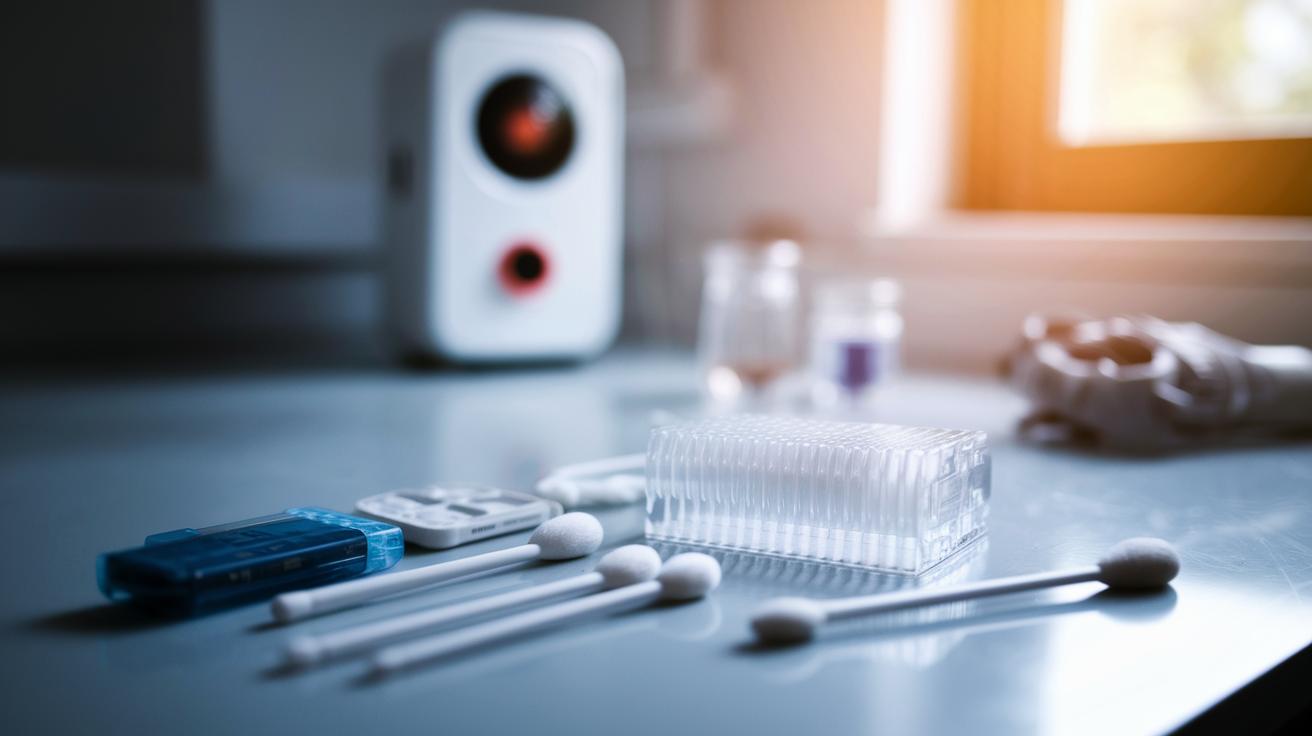
Mold testing kits and inspection devices are essential tools that help ensure a cleanup job is complete and that no hidden mold remains. They include swab kits, cassette sampling systems, and air sampling devices that gather mold spores for lab analysis (a process that confirms exactly what type of mold is present). Using clean tools and proper swabbing methods is key to getting an accurate reading.
On-site test strips give quick results, though they may not be as detailed as lab tests. We also use thermal imaging cameras to spot temperature differences behind walls, which can show where moisture and mold may be hiding. Spore traps capture airborne particles so experts can count the colonies. This count helps decide if extra cleaning is needed or if the area is safe for re-entry.
Regular use of these tools not only confirms the success of a remediation job but also guides ongoing inspections to help prevent mold from coming back. Consistent testing keeps your space safe and mold-free every day.
Cost-Efficient Rental and Purchase Options for Mold Remediation Equipment

When it comes to mold cleanup, it is important to balance cost with performance. Renting equipment like dehumidifiers, air movers, and foggers can keep costs low. You can even take advantage of seasonal discounts. Renting also lets you try out the equipment before you decide to buy. Often, lease agreements or bundling multiple units can lower costs while giving you access to the latest tools during busy times.
Another affordable option is to use certified refurbished units. These tools come with warranties and have been inspected to meet proper standards. You might also consider financing plans, which spread high costs over a series of manageable payments. For small projects or do-it-yourself repairs, kit bundles that include the essential tools can be a great choice. You can check options under "diy mold remediation" at https://mindtangle.net?p=100 for budget-friendly bundles designed for modest jobs.
Before you decide, think about how often you will use the equipment. Renting works best for one-time or seasonal tasks. Buying may be a better choice if you will do mold cleanup work regularly. It is also wise to review warranty terms and maintenance needs to help keep your cleanup projects safe, efficient, and on budget.
Final Words
In the action, we reviewed every step needed for safe mold cleanup. We covered practical detection tools, essential PPE, drying and extraction systems, and proper chemical application. You now have a clear picture of how each piece of mold remediation equipment plays a role in the process.
By focusing on both immediate and long-term protection, you can keep your home safe and limit costly damage. With these insights, you’re better equipped to make smart choices and move forward with confidence.
FAQ
Mold remediation equipment near me
Searching for mold remediation equipment near you means looking for local suppliers offering professional-grade tools like HEPA vacuums and dehumidifiers to efficiently tackle mold cleanup.
Mold remediation equipment rental
Opting for mold remediation equipment rental gives you access to professional-grade drying and extraction tools on a budget, making short-term cleanup projects more cost-effective.
Used mold remediation equipment
Considering used mold remediation equipment means you might find budget-friendly options, but always verify the tools’ condition and safety standards for effective remediation.
Mold remediation equipment for sale
Mold remediation equipment for sale typically includes detection tools, dehumidifiers, HEPA vacuums, and foggers, ensuring you have a full range of tools to handle mold cleanup.
Best mold remediation equipment
The best mold remediation equipment combines durability, efficiency, and smart features, offering reliable tools that handle moisture detection, extraction, drying, and chemical application.
Mold remediation equipment packages
Mold remediation equipment packages bundle essential tools like moisture meters, air movers, and containment materials, providing a comprehensive kit for fast and effective mold cleanup.
Mold remediation equipment for sale near me
Finding mold remediation equipment for sale near you involves checking local hardware stores or specialty vendors that offer a range of professional-grade remediation tools tailored for local needs.
Home Depot mold remediation equipment
Home Depot mold remediation equipment often includes entry-level cleaning kits and essential tools, though larger jobs might require additional industrial-grade equipment from specialized suppliers.
What equipment is used for mold remediation?
The equipment used for mold remediation includes moisture meters, HEPA vacuums, air movers, dehumidifiers, containment materials, and chemical application devices to ensure comprehensive mold removal.
Can you remediate mold yourself?
Remediating mold yourself is possible with available DIY kits and proper equipment, but severe infestations may require professionals to ensure safe and thorough cleanup.
What do professional mold remediators use?
Professional mold remediators use advanced moisture detectors, HEPA-filtered vacuums, high-CFM air movers, and industrial dehumidifiers along with certified cleaning agents to ensure effective remediation.
Is there a difference between mold removal and mold remediation?
There is a key difference: mold removal focuses on cleaning visible mold, while mold remediation involves controlling moisture, containing spores, and taking preventive measures to keep mold from returning.