
Do you worry that mold hiding behind your walls might put your family at risk? We understand that concerns about mold can be stressful. Removing mold is not just about cleaning walls; it is about creating a safer home where everyone can breathe easier.
Mold can cause headaches and irritated throats. If left untreated, it can also weaken your home's structure. In this article, we explain simple, clear steps to remove mold and keep your home healthy for you and your loved ones.
Understanding Residential Mold Remediation and Health Impacts
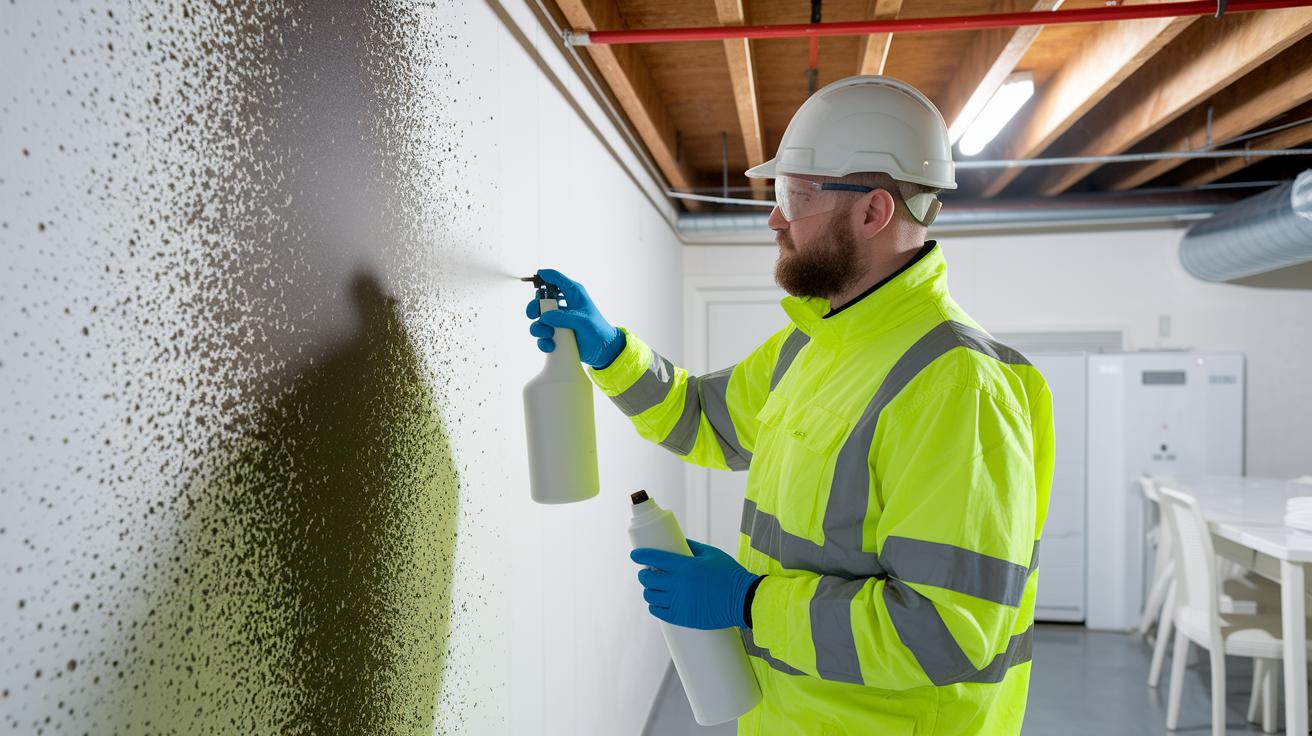
Mold remediation in your home means removing mold completely and stopping it from returning. This keeps your house safe and protects the health of everyone living there. Mold exposure can cause symptoms like headaches, a scratchy throat, and congestion. It can also weaken your home's structure. Children and people with weak immune systems are especially at risk from the toxins mold can release.
The mold cleanup process starts with applying an antimicrobial solution to any areas damaged by water. This step kills the mold spores and prevents them from growing back. Without proper treatment, hidden mold might stay behind and lead to recurring issues. That is why many experts advise a full spore inspection if you suspect a large mold problem.
For minor mold issues, basic cleaning techniques might work well. For example, small spots on tiled walls or lightly affected wooden furniture can sometimes be handled with do-it-yourself methods. However, if the mold covers a large area or looks toxic, it is important to get professional help. Incorrect removal can leave dangerous spores that worsen the situation.
Professional teams use special equipment and follow strict guidelines to remove all mold and fix any moisture problems. This careful approach helps create a healthier and safer home environment.
Residential Mold Remediation: Identifying Mold Types in Your Home
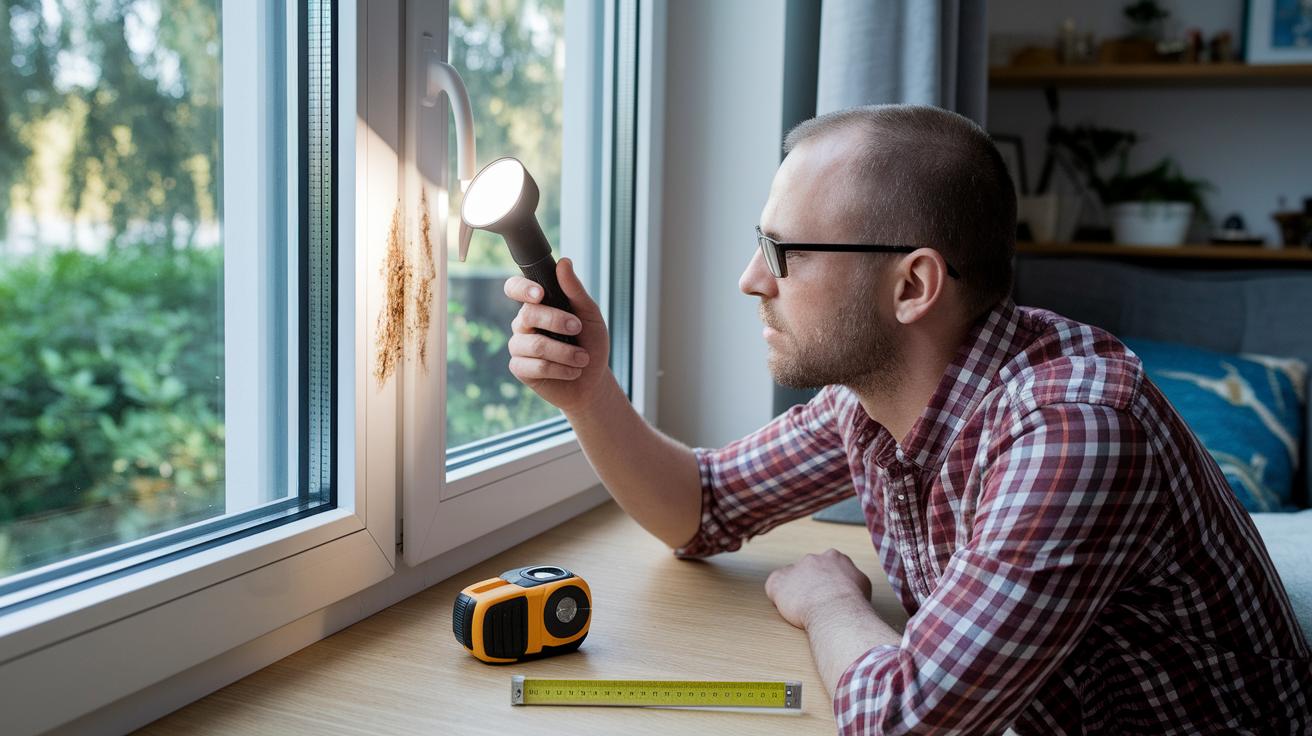
Seeing mold in your home means you need to help stop it before it spreads and affects your health. We look for mold using home spore inspections and hidden fungi detection methods. Fungal sampling (taking a small sample to study) gives us clear answers about whether a do-it-yourself fix is safe or if you need a professional.
The table below shows common mold types found in homes, how they look, where they typically grow, and the health risks they may bring:
| Mold Type | Appearance | Typical Locations | Health Risks |
|---|---|---|---|
| Cladosporium | Black or green | Wood, carpets, fabrics | May cause respiratory irritation |
| Penicillium | Blue or green | Insulation, wallpaper | Can trigger allergic reactions |
| Aspergillus | White, yellow, or green | Damp walls, fabrics | May affect breathing and lung function |
| Stachybotrys chartarum | Black mold | Water-damaged areas | Releases toxic spores that can lead to severe health risks |
Spotting mold early is key. For example, if you notice dark or green spots on your carpet, it might be Cladosporium. Picture stepping on a damp patch and realizing that hidden mold has started growing.
Cladosporium usually grows on wood and fabrics, while Penicillium tends to appear on insulation or wallpaper. Aspergillus, which has lighter colors, is often found on damp walls and fabrics, and might cause breathing issues. Stachybotrys chartarum, known as black mold, shows up with severe water damage and needs professional removal.
Early detection combined with a thorough home inspection and air testing after cleaning makes sure each mold type gets the proper attention for a safe, healthy home.
Residential Mold Remediation: Professional Step-by-Step Process
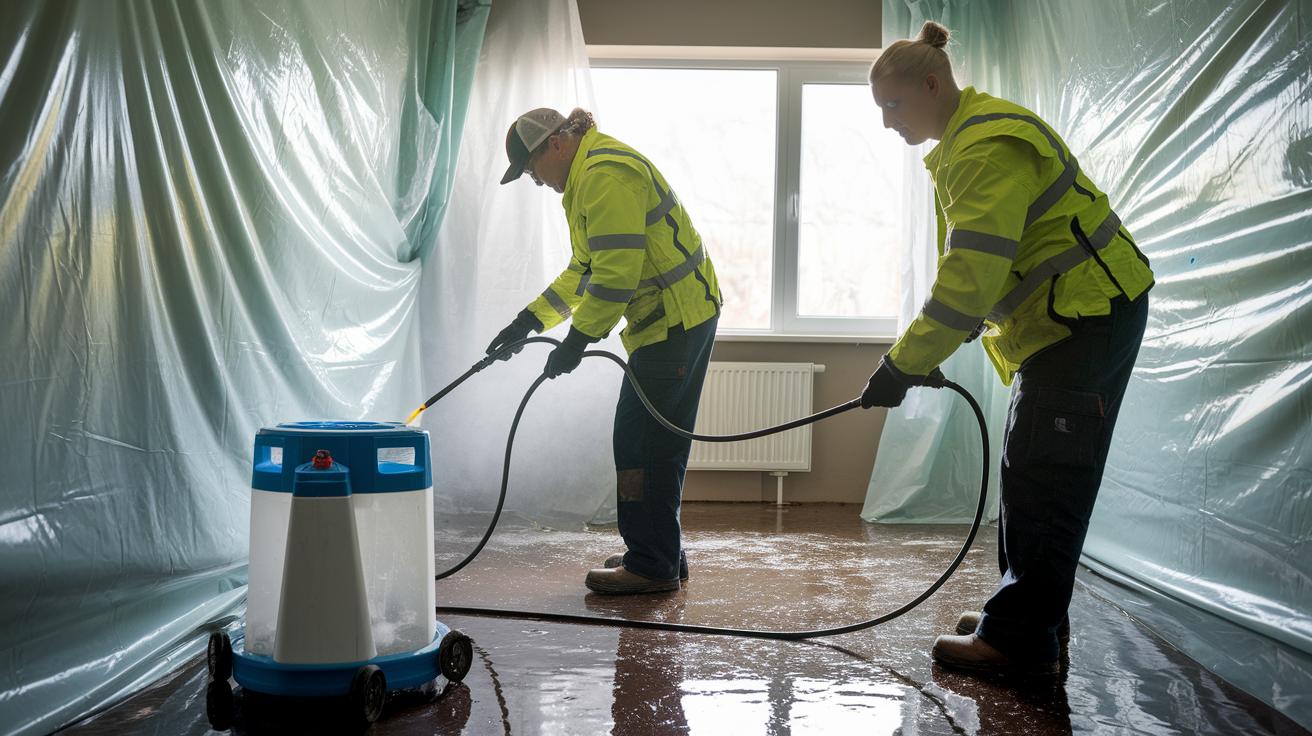
We know dealing with mold can be stressful. Our process follows a clear six-step plan to remove mold and help keep it from coming back.
-
Pre-treatment antimicrobial application
We begin by applying an antimicrobial solution to the affected area. This stops the mold spores from growing and softens the mold for easier removal. We often use common cleaning agents like white distilled vinegar or a 3% hydrogen peroxide solution to get started. -
Containment setup with negative air pressure and HEPA filtration
Next, we set up a containment barrier using plastic sheeting and tape. We then create a negative air pressure system to pull air away from other areas. HEPA filtration units (high efficiency air filters) capture airborne mold spores to protect your home and our team. -
Removal and safe disposal of mold-infested materials
In this step, we carefully remove all materials that show signs of mold, such as damaged drywall or carpet. We dispose of these items safely and in line with strict guidelines to prevent any spread of mold spores. -
HEPA vacuuming of surfaces and structural elements
After removal, we use a HEPA vacuum to clean all surfaces within the containment area. This step helps capture any remaining mold particles and dust to reduce the risk of recontamination. -
Drying and dehumidification to eliminate residual moisture
Moisture is a key factor for mold growth. We use industrial fans and dehumidifiers to dry the area thoroughly. This step removes the moisture that mold needs to thrive and prevents future issues. -
Final inspection and clearance testing (air sampling)
Finally, we inspect the area and take air samples to ensure mold levels are safe. This final check confirms that our work is complete, leaving your home safe and healthy.
Residential Mold Remediation: Cost Factors and Budget Planning
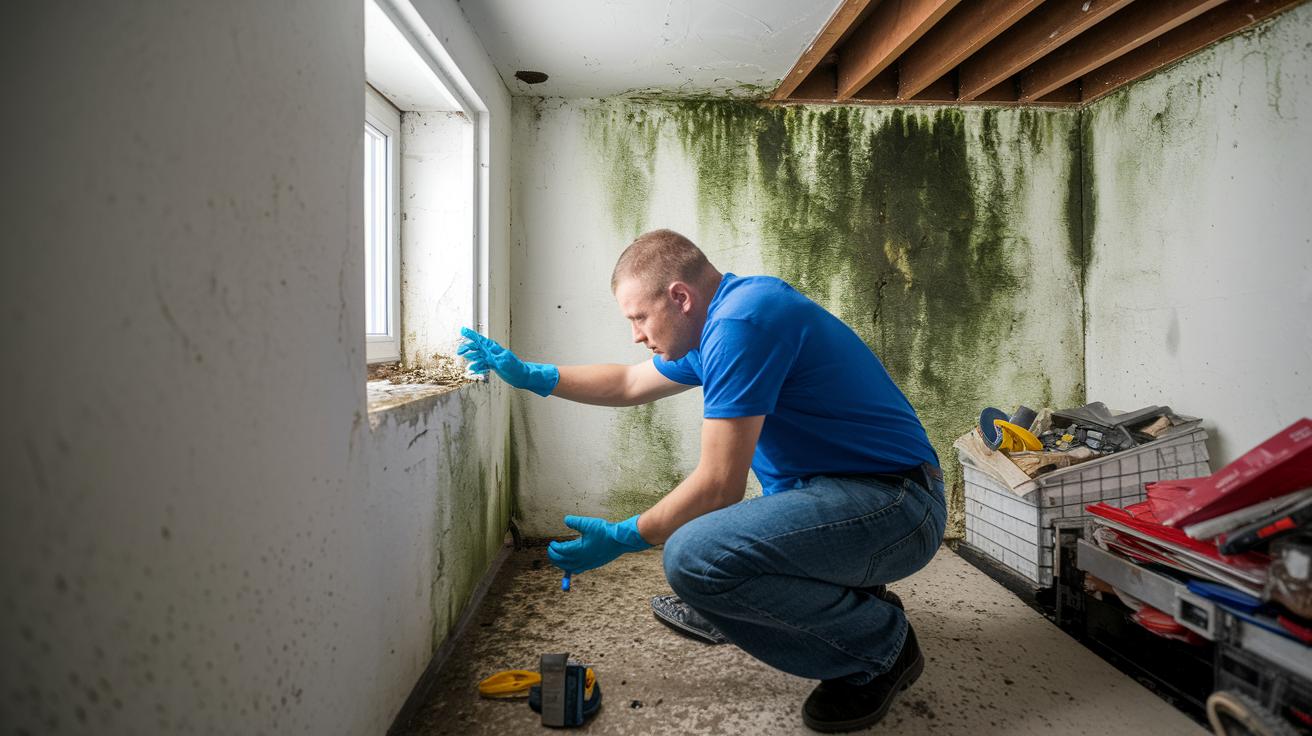
When you plan mold remediation, several cost factors come into play. First, the size of the mold area is important. A large space needs more materials, more labor, and more equipment. Check if the mold covers a small spot or if it spreads into several rooms. For example, a tiny patch on a wall usually costs less to fix than mold that spreads over drywall and carpet.
The type of mold also matters. Toxic mold like Stachybotrys chartarum (a mold that can be harmful) requires extra care and special treatment. Simple mold may be cleaned with basic agents, while toxic mold needs professional removal using advanced techniques and safety gear.
Setting up proper containment and a negative-pressure system increases costs. This process involves sealing off the area with plastic sheets and tape and creating a system that keeps airborne mold spores contained. Renting HEPA filtration units (high efficiency air filter) further adds to the expense.
Renting equipment such as industrial fans, dehumidifiers for drying, and HEPA vacuums is another cost factor. Homeowners should also include fees for air testing and clearance certifications, which ensure the area is safe after cleanup.
Many companies offer financing options that can cover $25K to $100K for larger restoration work. These plans help manage any unexpected expenses that come with extensive mold damage.
Insurance may cover mold remediation if you have a fungal damage clause. It is important to take photos of the mold and file your claim as soon as possible. Remember to factor in labor, materials, and follow-up inspections when planning your overall budget for safe and effective mold removal.
Residential Mold Remediation: Certification Standards and Hiring Pros
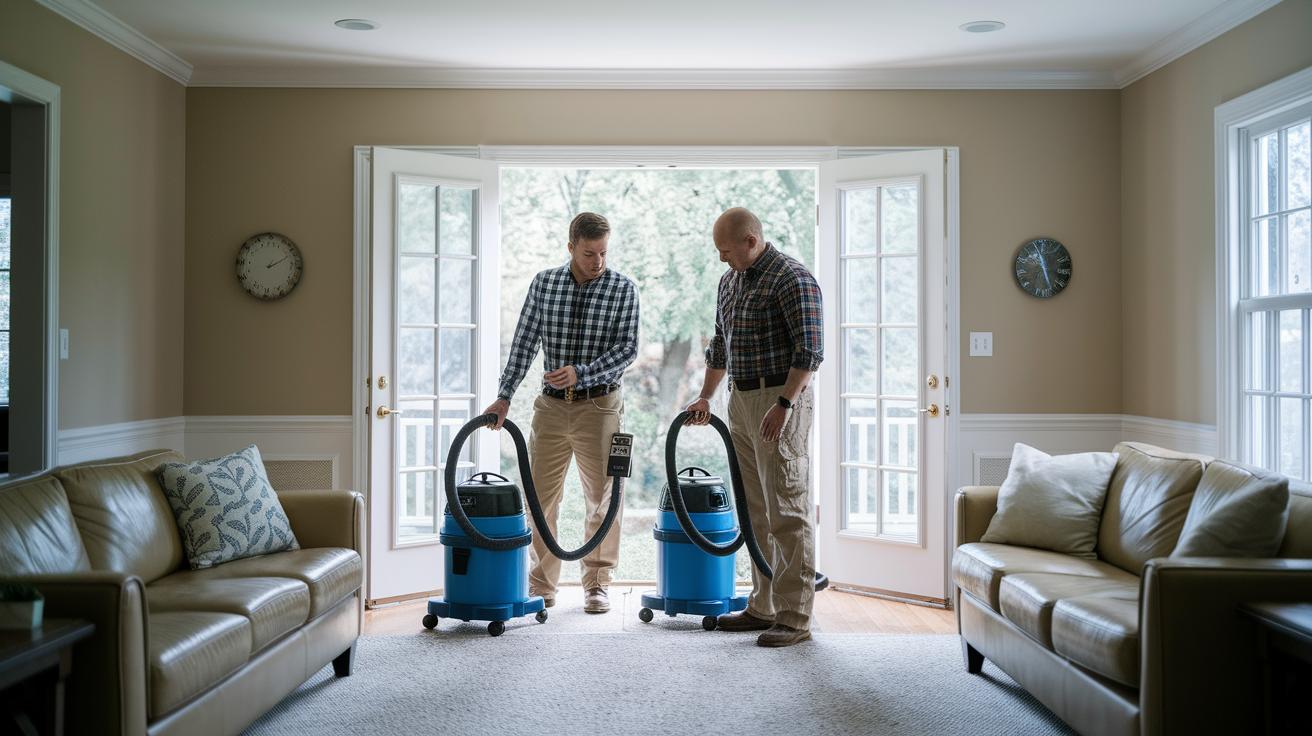
Choosing the right mold remediation professional is important to keep your home safe and healthy. Look for a company that has an IICRC certificate (industry restoration standards) and at least 40 years of hands-on experience. This background shows they know what they're doing and focus on safety and quality.
Experts in mold removal use special tools to handle mold safely. They work with HEPA vacuums (high efficiency air filters) to collect tiny mold particles, sturdy containment barriers to stop mold from spreading, and moisture meters (tools that measure humidity) to check for damp areas. These methods help remove mold effectively and give you peace of mind.
When you review potential contractors, consider this checklist:
- Certification: Verify they hold IICRC or state licensing credentials.
- Past Projects: Ask to see before and after photos from previous jobs.
- Insurance: Make sure they have liability insurance and worker’s compensation.
- Remediation Plan: Request a written plan that details the cleanup process and includes a warranty for their work.
It is also wise to ask if they provide full-service remediation. Many top mold cleanup companies manage everything from inspection, containment, removal, to post-cleanup testing. When a company showcases both its credential and a solid record of mold removal, it reassures you that your home is in experienced hands.
Using this checklist can help you pick a local mold remediation provider who sticks to industry best practices. This helps protect your home and keep your family healthy throughout the cleanup process.
Residential Mold Remediation: Preventive Measures for Long-Term Control
Mold grows when there is extra moisture in your home. Reducing moisture cuts off mold's food supply and keeps your home safe. Here are some practical steps you can take to keep your house dry and mold-free over time:
- Fix any leaks and repair water damage right away. Even a small leak can cause big problems later.
- Improve airflow by adding exhaust fans in your bathrooms and kitchens. Better ventilation helps remove moist air.
- Insulate cold surfaces like uninsulated pipes or thin walls to prevent condensation from forming.
- Use natural treatments such as sprays made with white distilled vinegar or tea tree oil. These treatments help slow mold growth without harsh chemicals.
- Use dehumidifiers to keep indoor humidity below 60 percent. A drier space makes it harder for mold to grow.
- Place moisture-absorbing products, such as silica gel packs or charcoal bags, in areas prone to dampness.
- Check regularly for leaks hidden behind walls, in basements, and under sinks. Early detection can stop problems before they worsen.
- Look into new technologies like antimicrobial paint. This type of paint is made to resist mold on surfaces.
- Consider UV-C air-scrubbing systems, which help neutralize mold spores in the air before they settle.
- Keep up with regular cleaning and maintenance. Watching these areas carefully can help you catch any issues early.
These steps work like a team to protect your home. By controlling moisture and fighting mold, you set up a strong defense against future problems. For example, combining a dehumidifier with proper insulation and ventilation acts like a double shield against moisture, keeping your home healthier for the long run.
Residential Mold Remediation: FAQs and Best Practices
Mold cleanup can be confusing, but we're here to help. How long it takes depends on the size of the mold problem. A small area might be fixed in just a few hours, while a big mold issue can last several days. Even when we set up containment, your home remains livable if the HVAC system is isolated to stop the mold from spreading.
After the mold is removed, professionals do clearance testing. This means they take air samples and run tests to make sure the mold spores are at safe levels. With these tests, you can feel confident that your home is healthy to live in.
Safety always comes first. Whether you try a DIY approach or hire professionals, it is very important to use the right protective gear like goggles, N95 (or higher) respirators, and gloves. Using this gear helps limit your exposure to allergens and harmful spores. Remediation experts follow strict federal and state cleanup rules. They use proper methods to reduce allergens and make sure your home is safe after the work is done.
Ask your mold removal expert about the steps they use to eliminate mold spores and any follow-up inspections that might be needed. Doing so ensures that your home stays safe and healthy throughout the cleanup process.
Final Words
In the action, we explored the steps of residential mold remediation and the health risks of mold exposure. We broke down how professionals identify types of mold, perform a six-step cleanup, and explain cost factors and certification standards. Clear guidelines for long-term prevention and FAQs keep you informed and proactive. By addressing every aspect, from detection to insurance, we ensure homeowners can confidently restore their space and minimize future damage. Stay informed and trust professional remediation to safeguard your home and health.
FAQ
Q: Who pays for mold remediation?
A: The inquiry regarding payment for mold remediation indicates that insurance may cover costs or that the homeowner might be responsible. Reviewing your insurance policy and documenting damage are essential steps to determine payment coverage.
Q: When is mold remediation required?
A: The inquiry about when mold remediation is required means that if you notice visible mold, persistent odors, or water damage, you should seek professional remediation to safeguard health and prevent further structural damage.
Q: What is mold remediation?
A: The inquiry about what mold remediation is reveals that it is the process of safely removing mold from your home using steps like containment, cleaning, drying, and final inspection, which can include treating the entire house if necessary.
Q: What procedures and guidelines are used in mold remediation?
A: The inquiry regarding procedures and guidelines means that professionals follow EPA standards and industry protocols. This includes setting up containment, applying antimicrobial agents, removing mold-infested materials, drying the area, and conducting clearance tests.
Q: What kills mold permanently?
A: The inquiry about what kills mold permanently suggests that while effective cleaners can kill mold spores, true long-term results depend on addressing moisture issues. Consistently preventing moisture buildup is key to stopping mold from regrowing.
Q: How do you remediate mold in your home?
A: The inquiry on how to remediate mold in your home indicates that the process involves inspecting affected areas, containing the mold, applying antimicrobial treatments, removing infested materials, drying the area, and performing clearance testing to ensure complete removal.
Q: How much does mold remediation cost?
A: The inquiry about cost shows that mold remediation expenses vary based on factors such as the size of the affected area, mold type, remediation steps, and equipment needed. Getting multiple estimates helps plan your budget effectively.
Q: Is it safe to live in a house during mold remediation?
A: The inquiry about living in a house during mold remediation suggests that it can be safe if proper containment and HVAC isolation are in place. However, individuals with respiratory issues or sensitivities should consult a professional for advice.
Q: How do I find mold remediation and inspection services near me?
A: The inquiry about local mold services indicates that you can find certified professionals by searching online, reading reviews, and requesting free estimates. Always verify credentials such as certification and insurance before hiring.